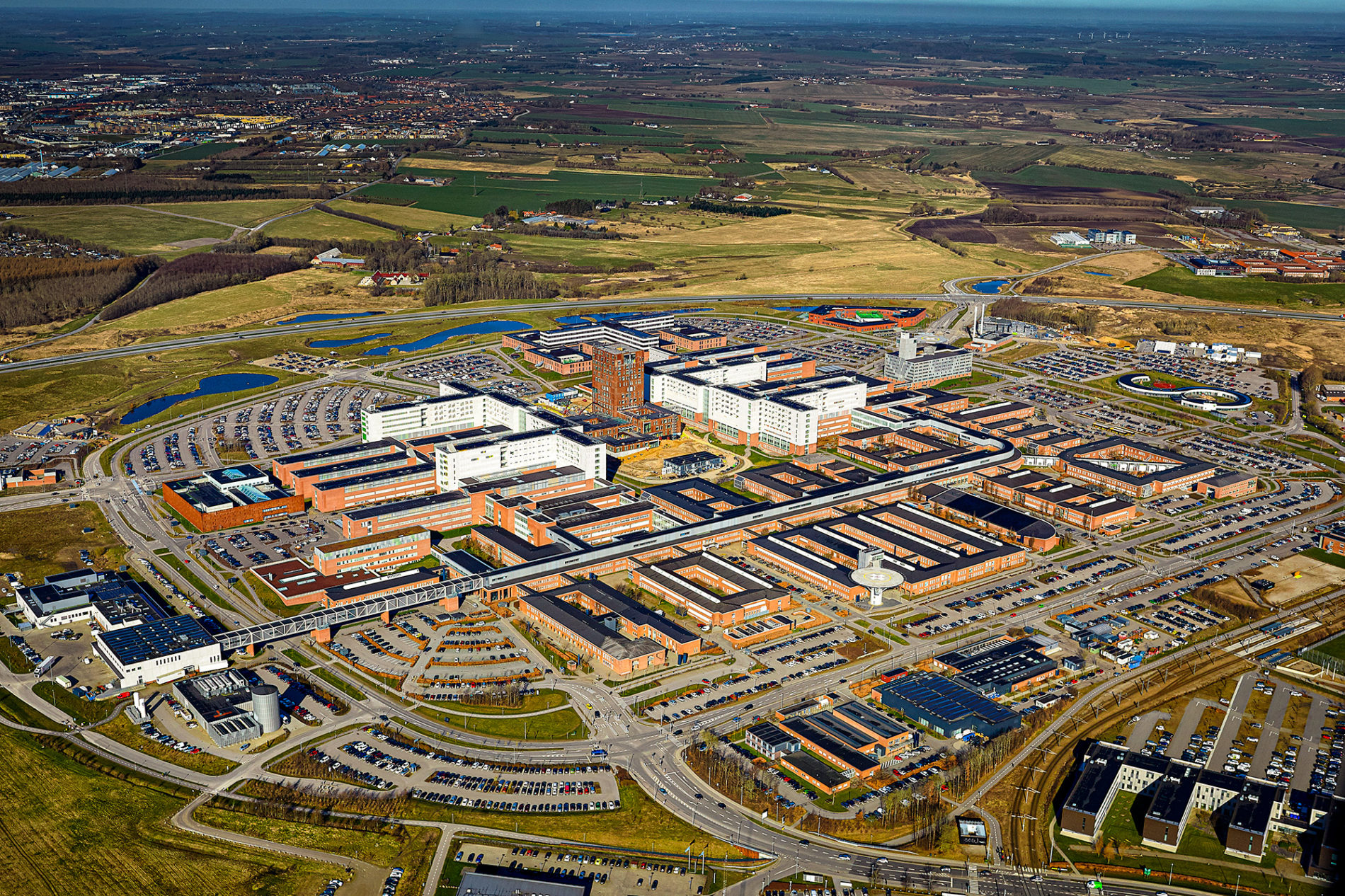
Aarhus University Hospital
Palle Juul-Jensens Blvd. 161
8200 Aarhus
DANEMARK
Plomb
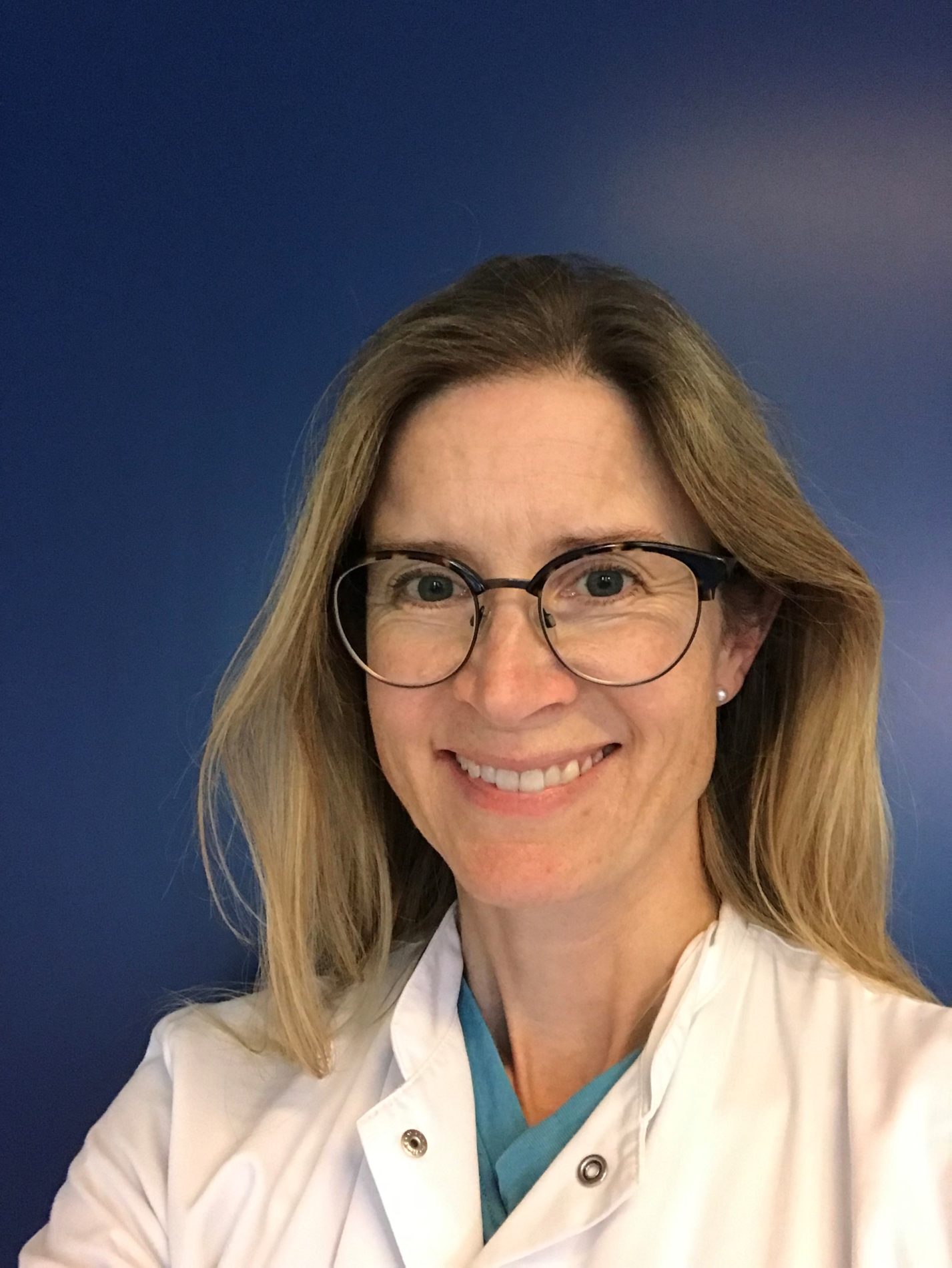
Dr Mette Møller Handrup
telephone: +45 7845 0000
fax: +45 7846 4455
e-mail: aarhusUniversitetshospital@auh.rm.dk
Champ d'application
En tant que membre du Réseau européen de référence (ERN) ITHACA, notre centre est spécialisé dans les syndromes se caractérisant par une déficience intellectuelle (DI) et/ou des malformations congénitales rares, avec un intérêt particulier pour les différentes formes de malformations craniofaciales. Environ 1 nouveau-né sur 40 présente une malformation congénitale et jusqu’à 2% souffrent ou présenteront une déficience intellectuelle, causées par différentes maladies rares prises individuellement, parmi lesquelles jusqu’à 50% sont d’origine génétique ou génomique. Le champ d’action et le périmètre d’expertise du Centre de Düsseldorf ITHACA comprennent :
- plus de 5 500 syndromes dysmorphologiques et d’anomalies congénitales multiples (MCA) (répertoriés dans la base de données de dysmorphologie de Londres), comprenant des maladies monogéniques, des anomalies chromosomiques (détectables par analyse chromosomique conventionnelle et/ou par la technologie CGH-Array), des anomalies multifactorielles ou sporadiques ainsi que des embryofétopathies d’origine environnementale
- >1 500 formes monogéniques et des centaines de formes chromosomiques de déficience intellectuelle, associées ou non à un trouble du spectre autistique (TSA).
Service aux patients
The Department of Clinical Genetics at Aarhus University Hospital (AUH) works at two levels: we have a group of specialists in our unit and a close collaboration with the Center for Rare Diseases including a wide network within the whole AUH and even beyond.
Department of Clinical Genetics offers – beside extensive genetic testing options – consultations for children and adults including diagnostic consultations, carrier screening, genetic counselling, prenatal testing and pre-implantation testing. Currently, there are six clinical geneticist’s senior consultants and 5 additional specialists, five residents in genetics, and four nurses working at the department. The department harbors specialist teams for rare disorders, prenatal, neurology, oncology, sex chromosome aberrations, kidney and skin diseases and rare liver disorders.
The existing and consolidated multidisciplinary network at AUH aim for diagnostics according to highest international standards, and further strive continuously for patient centered care and optimal coordination. We also aim for a multidisciplinary approach when seeing patients in the outpatient clinic. This includes regularly multidisciplinary clinics that comprise a consultation with the continuous responsible health care professional (primarily the team’s geneticist or paediatrician at Centre for Rare Diseases, the team’s nurse and other participants (eyedoctors, surgeons etc. from the team as needed based on an individual approach). Additionally, monthly multidisciplinary meeting/conference with participation of above and other relevant specialties: discussion of diagnosis and treatment, discussion and planning of collaborative research, and establishments of common guidelines. The team is involved in multidisciplinary diagnosis and treatment of infants, children, adolescents as well as adults.
Organisation du centre
Aarhus University Hospital belongs to the elite of university hospitals, and aims to be the best choice for patients and professionals. Aarhus University Hospital serves both citizens in the local area and patients in need of highly specialised treatment.
Aarhus University Hospital has approx. 10.000 staff members, 850 beds and 43 clinical departments. Yearly approx. 900.000 outpatient visits, 85.000 admissions, 80.000 surgeries and 5000 births.
Aarhus University Hospital develops and provides highly specialised treatment, research and education at international level.