
Vorsitzender und stellvertretender Vorsitzender der Arbeitsgruppe

Dr Agnies van Eeghen
(Amsterdam)
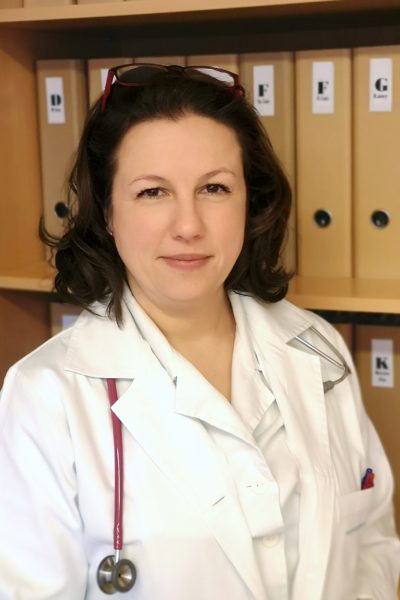
Dr. Katalin Szakszon
(Debrecen)
Leitlinien für die klinische Praxis (CPGs) – oder einfach „Leitlinien“ – sind Empfehlungen zur Diagnose und Behandlung einer Erkrankung. Sie werden von medizinischen Experten unter Einbeziehung von Patientenvertretern verfasst und richten sich an Ärzte, aber auch an Pflegekräfte und andere Fachkräfte im Gesundheitswesen.
Eine Leitlinie fasst den aktuellen Stand der medizinischen Erkenntnisse zu einer bestimmten Erkrankung zusammen, wägt Nutzen und Risiken von Diagnoseverfahren und Behandlungen ab und gibt auf der Grundlage dieser Informationen konkrete Empfehlungen.
As knowlege on rare diseases is by definition scarce and scattered, which results in late diagnosis for patients and difficulty in determining appropriate care solutions, the production of guidelines on low prevalence conditions is at the core of an ERN activity.
This Worksgroup is committed to both reviewing existing guidelines on rare congenital malformations and writing new ones from scratch. It also works on developping a guideline methodology specific to rare diseases in the scope of ITHACA, and on making easy-to-understand guidelines available for patients.
Production of new Clinical Practice Guidelines
Each guideline is written by a group of multidisciplinary experts, with the support of patient’s representatives. So far, the Workgroup has convened 13 expert groups to write guidelines for rare congenital malformations.
6 guidelines for rare conditions have already been published:
6 more are currently under work:
- Pitt Hopkins syndrome
- RASophaties
- Williams-Beuren syndrome
- SATB2 syndrome
- PIMD/Polyhandicap – Profound Intellectual and Multiple Disabilities
- Challenging Behaviour
In addition to writing these guidelines, these taskforces also work on keeping them up-to-date, to make sure sure they provide relevant recommendations for health care providers.
Appraisal of existing guidelines
Guidelines being a major clinical tool, it is crucial that they are trustworthy. This taskforce is dedicated to assessing the methodological quality of existing guidelines on rare diseases in the scope of ITHACA. Publications that this taksforce evaluates as methodologically reliable are endorsed by the ERN-ITHACA.
Development of an ERN-ITHACA guideline methodology
Methodologies on the elaboration of guidelines have been elaborated for common disorders on the basis of evidence-based support. This approach is challenging for ultrarare entities. This taskforce, led by an expert in guideline methodology, was created to adapt from these methods an ERN ITHACA specific methodology, that will be of guidance to elaborate new guidelines and to assess old ones.
Writing of easy-to-read guidelines for patients
Guidelines are directed at health care professionals and are not easily understandable for patients and their families. The Guideline Workgroup thus works on creating adapted English summary of clinical guidelines, and to translate them into other European languages. These documents are meant to help patients understanding their condition, and to facilitate their involvement into the decision-making around their care.
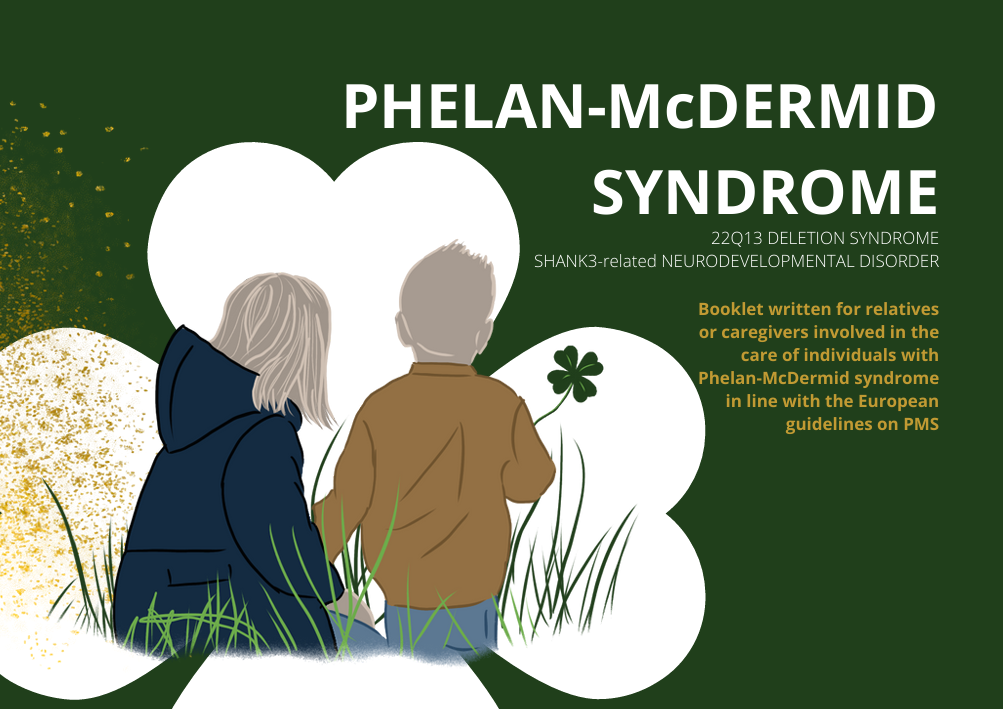
Example of one booklet for patient adapted from the ITHACA guideline on Phelan-McDermid syndrome
* * *
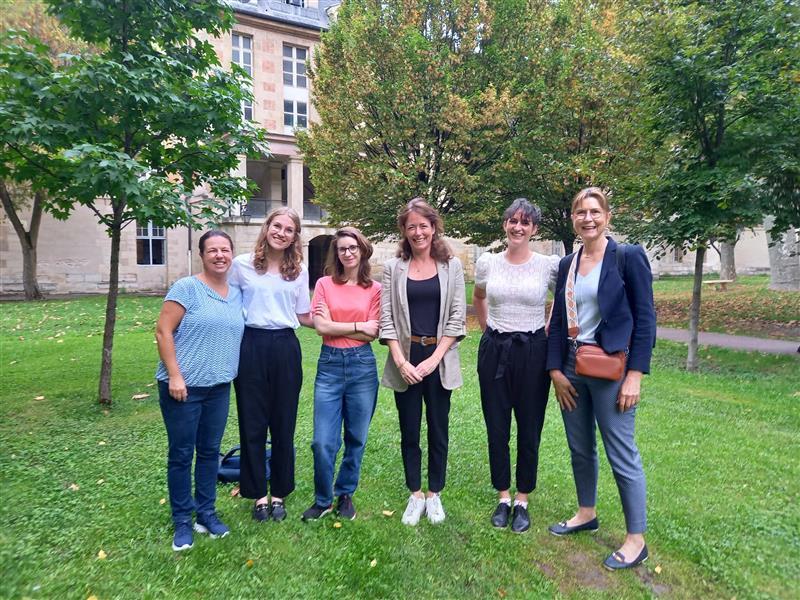
Picture of the Workgroup’s coordination team: Dr Katalin Szackszon (co-chair) Dr Mirthe Klein Haneveld (ITHACA PM), Klea Vyshka (ITHACA PM), Dr Agnies Van Eeghen (chair), Charlotte Gaasterland (ITHACA PM), Anne Hugon (ITHACA PM)